


Faq
Lorem ipsum dolor sit amett.
Lorem ipsum dolor sit amet consectetur adipisicing elit. Rem exercitationem blanditiis culpa ipsa recusandae? Dolor assumenda aperiam repellat ipsum iste exercitationem distinctio esse, delectus animi.
Choosing the right mattress is essential for your comfort, sleep quality, and overall health. The best mattress for you depends on your body type, sleep position, and any specific needs such as back pain or body aches.
1. Consider your sleep position
- Back sleepers: A medium to firm mattress is ideal. It supports your spine’s natural curve and prevents your waist from sinking too deeply.
- Side sleepers: A medium or medium-soft mattress helps cushion the shoulders and hips while keeping the spine aligned.
- Stomach sleepers: A firm mattress is recommended to prevent lower-back strain caused by excessive sinking.
2. Consider your body weight
- Lightweight sleepers: Often feel more comfortable on medium or slightly soft mattresses.
- Average weight sleepers: Medium-firm mattresses usually provide the best balance of comfort and support.
- Heavyweight sleepers: Firm or orthopedic mattresses offer better durability and long-term support.
3. Think about health and comfort needs
- If you experience back or waist pain, a firm or orthopedic mattress helps maintain proper spinal alignment.
- If you prefer a softer feel or sleep on your side, a medium mattress may feel more comfortable.
- For shared beds, choose a mattress that minimizes motion transfer for uninterrupted sleep.
4. Choose quality and durability
A good mattress should maintain its shape, provide consistent support, and last for years. Quality materials ensure better sleep and long-term value.
Not sure which one is right for you? Our team is always happy to guide you based on your needs, room size, and budget — so you can sleep better with confidence.
Mattresses come in different firmness levels, and understanding the difference helps you choose one that matches your comfort preference and support needs.
Firm mattresses
Firm mattresses provide strong support with minimal sinking. They are ideal for people who want a solid sleeping surface.
- Recommended for back and stomach sleepers
- Helps maintain proper spinal alignment
- Ideal for people with waist or lower-back pain
- More durable and less prone to sagging over time
Medium mattresses
Medium or medium-firm mattresses offer a balance between comfort and support, making them the most popular choice.
- Suitable for most sleep positions
- Provides gentle cushioning while still supporting the spine
- Great option for couples with different sleep preferences
- Works well for both average and mixed body weights
Soft mattresses
Soft mattresses allow more sinking and contour closely to the body.
- Best for side sleepers
- Provides pressure relief for shoulders and hips
- Offers a plush, cozy sleeping feel
- Not recommended for people with back pain or heavy body weight
Which firmness should you choose?
Your ideal mattress firmness depends on your sleep position, body weight, and comfort preference. When in doubt, a medium-firm mattress is usually the safest and most versatile choice.
If you’re unsure, our team can help you select the right firmness based on your needs and budget.
Replacing your mattress at the right time is essential for good sleep, proper body support, and overall health.
Average mattress lifespan
Most quality mattresses should be replaced every 7–10 years, depending on usage, body weight, and mattress type.
- Foam mattresses: 7–10 years
- Orthopaedic or high-density foam: up to 10 years
- Spring mattresses: 6–8 years
Signs it’s time to change your mattress
You may need a new mattress if you notice any of the following:
- Visible sagging or uneven surface
- Persistent back, neck, or joint pain after sleeping
- Poor sleep quality or frequent waking at night
- Feeling more rested sleeping elsewhere
- Noise or movement in spring mattresses
Why delaying replacement is a problem
An old mattress can lose its support, affect spinal alignment, and even contribute to allergies due to dust and bacteria buildup.
When should you replace sooner?
You may need to replace your mattress earlier than 7 years if:
- Your body weight has changed significantly
- You suffer from chronic back or joint pain
- The mattress was low-density or budget-grade
- It is used heavily (guest house, short-let, hotel, or children)
Upgrading your mattress is an investment in your sleep, health, and daily productivity.
Choosing the right mattress firmness is essential for comfort, proper body support, and quality sleep. Firmness affects how your spine aligns, how pressure is distributed, and how rested you feel when you wake up.
Understanding mattress firmness levels
- Soft: Plush feel, allows more sink-in
- Medium: Balanced comfort and support
- Medium-firm: Supportive with slight cushioning
- Firm: Minimal sink, maximum support
How to choose based on sleeping position
- Side sleepers: Medium or medium-soft mattresses help cushion shoulders and hips
- Back sleepers: Medium-firm mattresses keep the spine properly aligned
- Stomach sleepers: Firm mattresses prevent excessive lower-back arching
Body weight also matters
Your weight affects how a mattress feels:
- Lightweight sleepers: May prefer softer mattresses for comfort
- Average weight sleepers: Medium to medium-firm works best
- Heavier sleepers: Firm mattresses provide better long-term support
Comfort vs. support
A common mistake is choosing comfort alone. A mattress should feel comfortable and supportive. A mattress that feels great at first but lacks support can cause body pain over time.
When in doubt
If you are unsure, medium-firm is the safest and most universally recommended option. It suits most sleeping positions and body types.
The right firmness helps you sleep deeper, wake refreshed, and protect your spine.
If you experience back pain, the mattress you sleep on plays a major role in either relieving or worsening the problem. The right mattress supports your spine’s natural alignment while reducing pressure on sensitive areas.
Best mattress type for back pain
A medium-firm to firm mattress is generally recommended for people with back pain. It provides enough support to keep the spine aligned without being uncomfortably hard.
- Orthopedic mattresses – Designed to support the spine and joints
- High-density foam mattresses – Offer balanced support and pressure relief
- Firm or medium-firm foam mattresses – Help prevent sinking and spinal misalignment
Why firmness matters
A mattress that is too soft can cause your body to sink, leading to poor posture and lower back strain. On the other hand, a mattress that is too hard may create pressure points around the shoulders and hips.
Sleeping position also matters
- Back sleepers: Medium-firm mattresses provide ideal lumbar support
- Side sleepers: Medium firmness helps cushion shoulders and hips while supporting the spine
- Stomach sleepers: Firm mattresses help prevent lower back arching
Extra tips for back pain relief
Pairing your mattress with the right pillow height and proper bed support can significantly improve comfort and reduce pain.
A good mattress should support your body, not fight it. If you wake up with pain that improves during the day, it’s often a sign your mattress needs attention.
Our sleep specialists can help you choose a mattress that suits your body type, sleeping position, and pain concerns.
A quality mattress is an investment in your health and sleep comfort. While mattresses don’t last forever, knowing when to replace yours can prevent body aches, poor sleep, and long-term discomfort.
Average mattress lifespan
- Foam mattresses: 7–10 years
- Orthopedic mattresses: 8–12 years
- Spring mattresses: 6–8 years
- Premium hybrid mattresses: 10 years or more
Signs your mattress needs replacement
- Visible sagging or uneven surfaces
- Waking up with back, neck, or joint pain
- Reduced comfort or support compared to when new
- Noisy springs or shifting foam
- Feeling more tired after sleeping
What affects mattress durability?
- Quality of materials: Higher-density foam lasts longer
- Usage: Daily use shortens lifespan compared to guest-room use
- Body weight: Heavier loads increase wear over time
- Proper support: Using the right bed frame or base matters
Maintenance tips to extend mattress life
- Rotate your mattress every 3–6 months
- Use a mattress protector to prevent moisture and stains
- Avoid jumping or sitting on one edge repeatedly
- Ensure proper ventilation and a solid base
Why replacing on time matters
An old mattress can negatively affect your posture, sleep quality, and overall health. Replacing it on time helps prevent chronic pain and improves nightly rest.
A good mattress supports your body every night—don’t wait too long to replace it.
Yes—an orthopedic mattress can significantly help reduce back pain when chosen correctly. These mattresses are designed to support the spine, distribute body weight evenly, and reduce pressure on sensitive areas.
What makes a mattress “orthopedic”?
An orthopedic mattress is engineered to:
- Keep the spine in proper alignment
- Provide firm, balanced support to the back and joints
- Reduce pressure on the lower back, shoulders, and hips
How orthopedic mattresses help back pain
- Spinal alignment: Prevents the spine from sinking or arching unnaturally
- Even weight distribution: Reduces stress on pressure points
- Improved posture during sleep: Helps muscles relax properly
- Reduced morning stiffness: Especially for people with chronic back issues
Firm vs. very hard – an important distinction
Orthopedic does not mean rock-hard. A mattress that is too hard can increase pressure on the hips and shoulders, while one that is too soft can cause spinal misalignment.
The ideal orthopedic mattress is firm but slightly adaptive.
Who benefits most from orthopedic mattresses?
- People with lower back pain or slipped disc issues
- Adults with posture-related discomfort
- Side and back sleepers needing extra support
- Individuals recovering from injuries or surgery
When orthopedic may NOT be ideal
- If you prefer a very plush, sinking feel
- If you are very lightweight and find firm mattresses uncomfortable
Final advice
An orthopedic mattress can greatly improve sleep quality and back health—but only when matched to your body type, sleeping position, and comfort preference.
Back pain relief starts with proper support, not just firmness.
Side sleepers need a mattress that balances pressure relief and spinal alignment. The best mattress for side sleeping cushions the shoulders and hips while keeping the spine straight.
Why side sleepers need special support
When you sleep on your side, most of your body weight rests on your shoulders and hips. A mattress that is too firm can cause pressure pain, while one that is too soft can cause the spine to curve.
Ideal mattress features for side sleepers
- Medium to medium-firm feel: Soft enough to cushion pressure points, firm enough to support the spine
- Good pressure relief: Especially at the shoulders and hips
- Adaptive comfort layers: Foam or quilted layers that contour to the body
- Stable core support: Prevents sinking too deeply
Best mattress types for side sleepers
- Pillow-top mattresses: Add softness without losing support
- Memory foam or foam-hybrid mattresses: Contour naturally to body curves
- Quality spring mattresses with comfort layers: Offer bounce plus cushioning
Mattress types to avoid
- Very hard or extra-firm mattresses
- Old or sagging mattresses that distort spinal alignment
Side sleepers by body type
- Lightweight sleepers: Medium or plush comfort
- Average weight sleepers: Medium-firm with cushioning
- Heavier sleepers: Firm support with thick comfort layers
Bonus tip
Pair your mattress with a supportive pillow that fills the space between your shoulder and neck. This helps maintain a neutral spine and reduces neck pain.
The best mattress for side sleepers cradles your body without letting you sink.
Choosing the right mattress size depends on your room space, number of sleepers, and comfort needs. A well-sized mattress should allow free movement while leaving enough space in the room for furniture and walkways.
Common mattress sizes and who they’re best for
- Single (3ft): Ideal for children, teenagers, hostels, or compact rooms
- Small Double (4ft): Suitable for single adults who want extra space
- Standard Double (4.5ft): Good for couples in smaller rooms
- Queen (5ft): Comfortable choice for couples with moderate room space
- King (6ft): Best for couples who want maximum sleeping space
Measure your room before buying
Before selecting a mattress, measure your bedroom carefully. Leave at least 60–75cm of walking space around the bed to ensure comfort and easy movement.
Consider who will be using the mattress
- Single sleepers may prioritize comfort over size
- Couples should choose wider mattresses to reduce sleep disturbance
- Parents co-sleeping with children may need larger sizes
Think about bed frame compatibility
Always confirm that your chosen mattress size matches your bed frame dimensions. A mismatched size can affect comfort and mattress durability.
Ceiling height and room layout matter
In smaller rooms or rooms with low ceilings, very large mattresses may make the space feel cramped. Consider how wardrobes, doors, and windows will open once the bed is in place.
Future-proof your choice
If space allows, choosing a slightly larger mattress can be a smart long-term decision—especially if your sleeping needs change over time.
The right mattress size balances comfort, space, and lifestyle.
Proper care and maintenance can significantly extend the lifespan of your mattress and ensure you continue to enjoy healthy, comfortable sleep for years.
Use a mattress protector
A quality mattress protector helps guard against spills, sweat, dust mites, and stains. This is one of the simplest ways to keep your mattress hygienic and in good condition.
Rotate your mattress regularly
To prevent uneven wear and sagging, rotate your mattress every 3–6 months. This helps distribute body weight evenly across the surface.
Provide proper support
Always place your mattress on a suitable bed frame or base. Poor support can lead to premature sagging and reduce comfort over time.
Keep it clean and well-ventilated
- Vacuum the mattress surface occasionally to remove dust
- Allow fresh air into the room to reduce moisture buildup
- Avoid placing mattresses directly on the floor
Avoid jumping or sitting on the edges
Repeated pressure on one area—especially the edges—can weaken the internal structure of the mattress.
Follow manufacturer care guidelines
Each mattress type has specific care instructions. Following the manufacturer’s recommendations ensures you get the full benefit of your warranty.
With proper care, a quality mattress can deliver comfort, support, and healthy sleep for many years.


Call Our Store
-
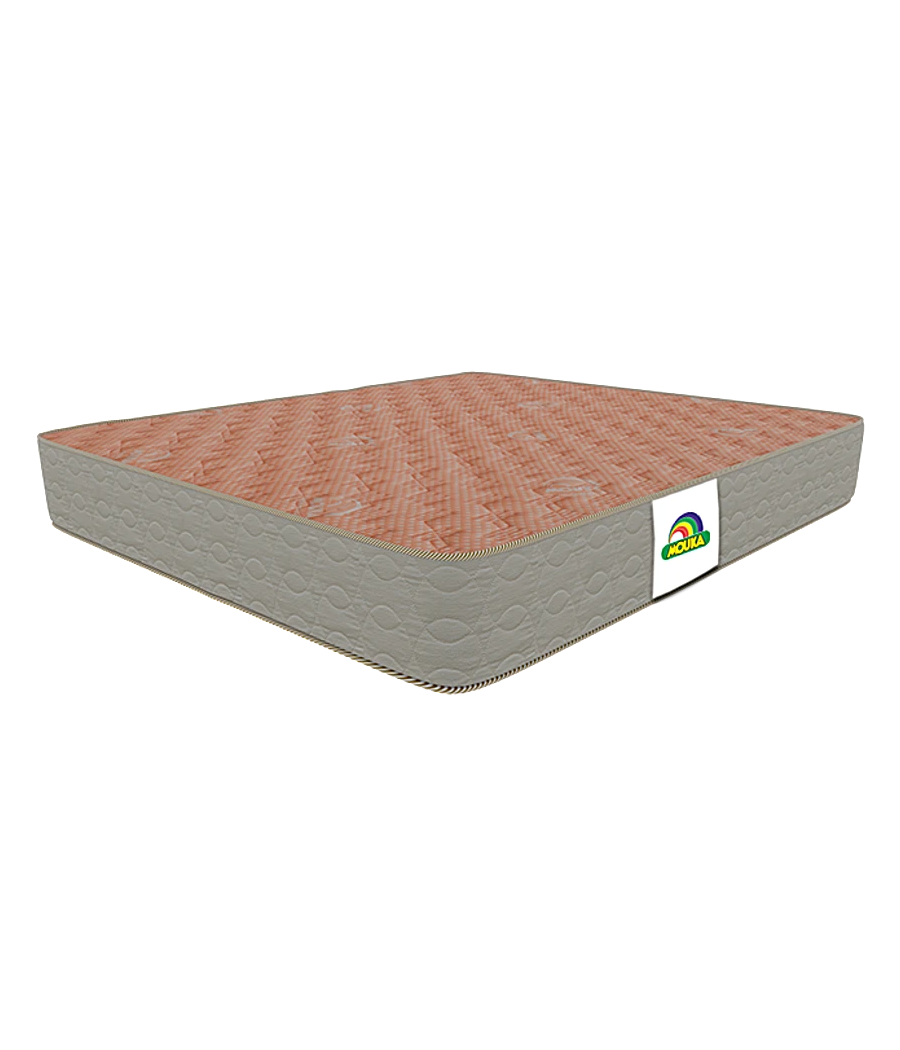
Mouka Wellbeing Regal ...
Timothy Ajuwon, Oyo – Egbeda
₦240,319.5112:31
-
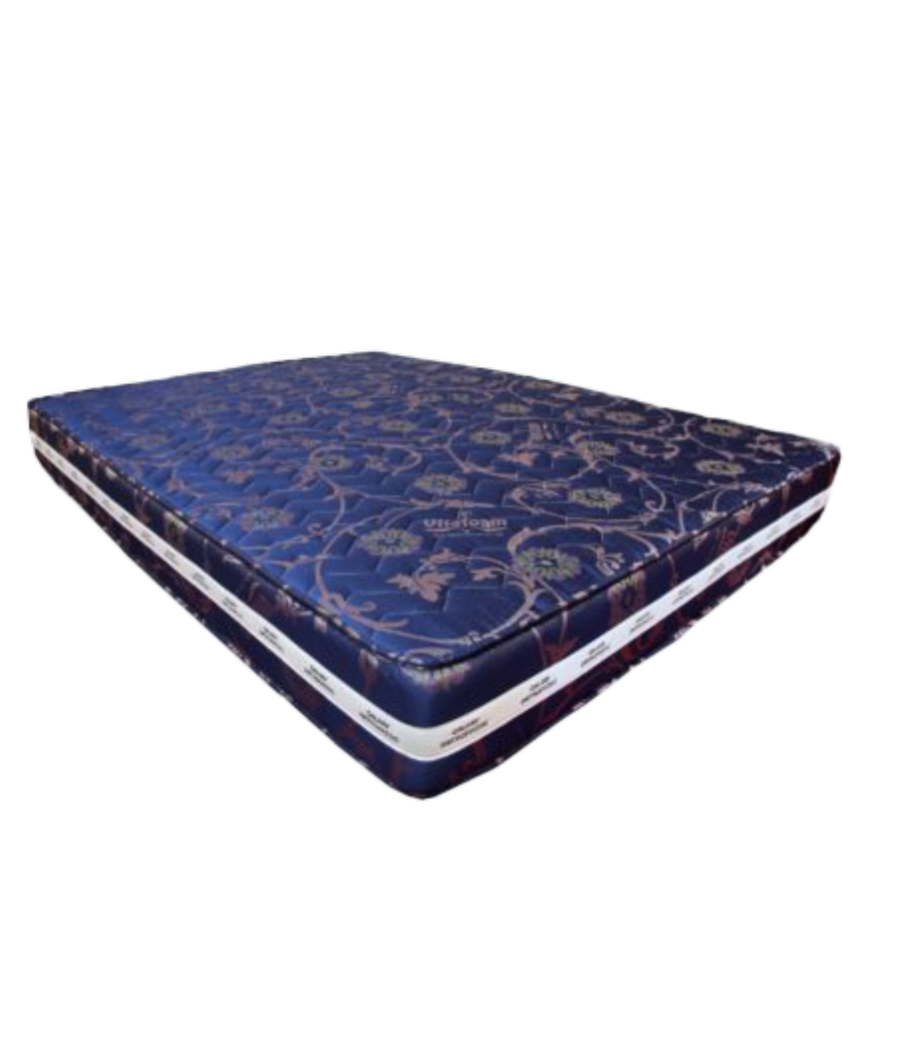
Vita Galaxy Orthopaedi...
Sola Adeyemi, Lagos – Ikeja
₦200,752.7611:48
-
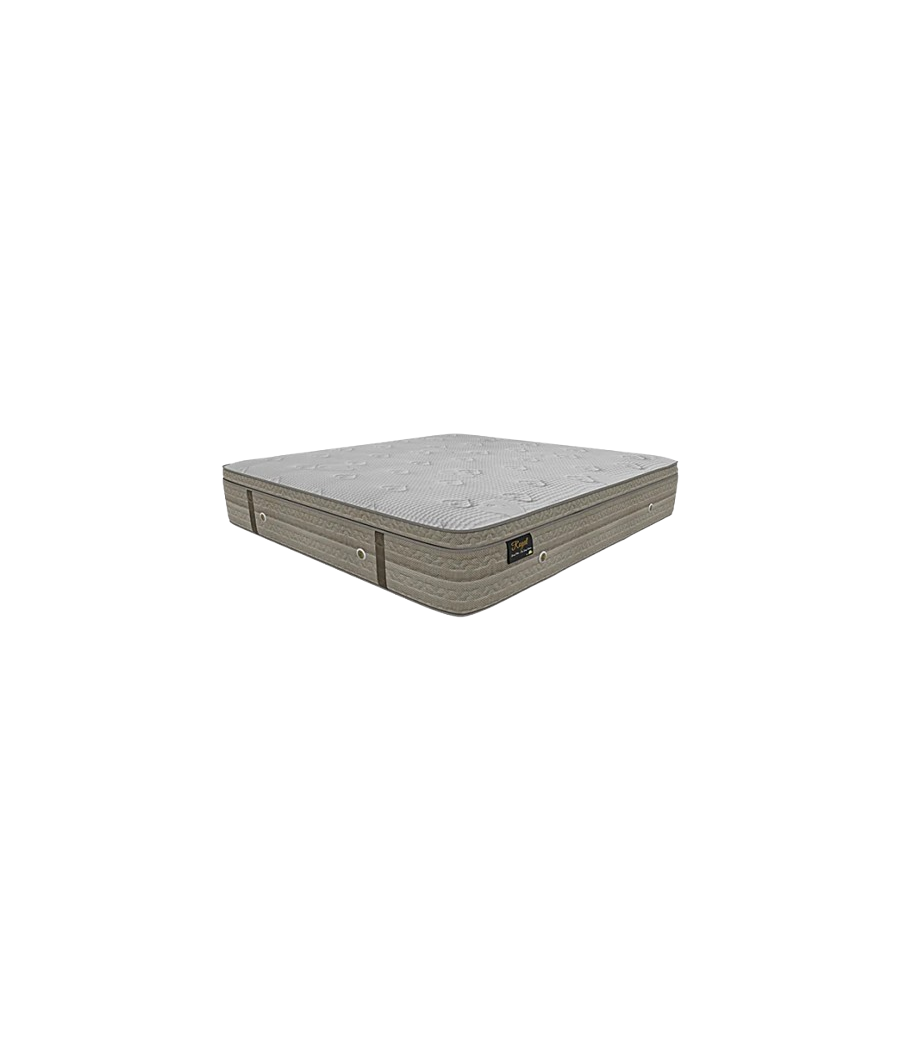
Mouka Royal Pillow Top...
Blessing Okafor, Lagos – Lekki
₦481,989.0710:21
-
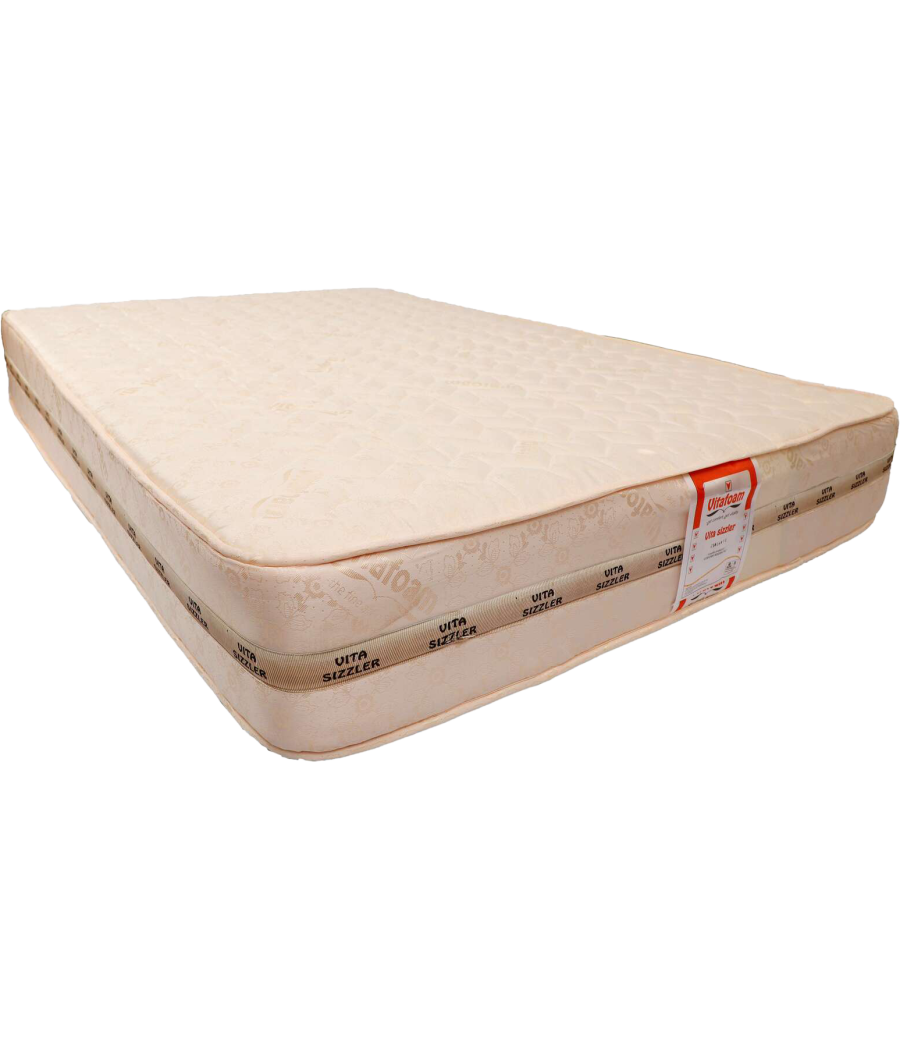
Vita Sizzler Super Sof...
Abdul Rasheed, Ogun – Abeokuta South
₦235,389.5609:35
-
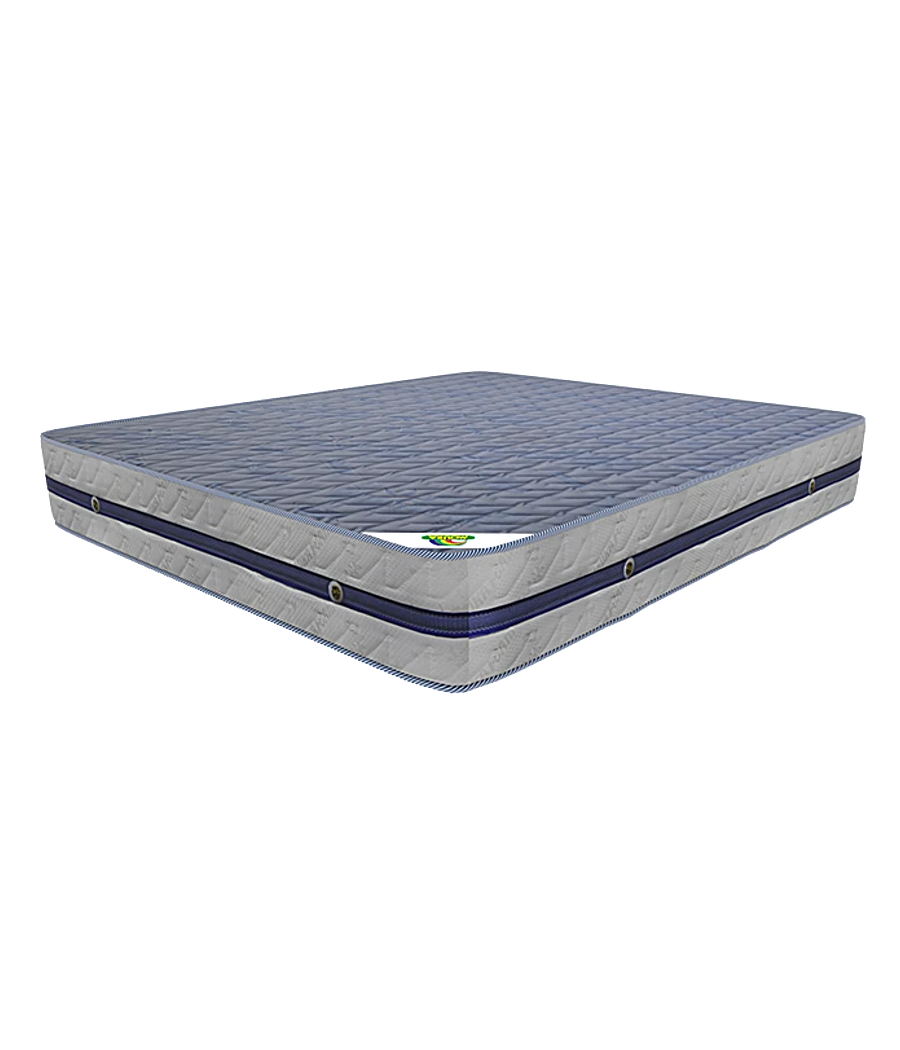
Mouka Mondeo Spring M...
Ifunanya Obi, Abuja FCT – Gwarinpa,
₦279,793.7214:58
-
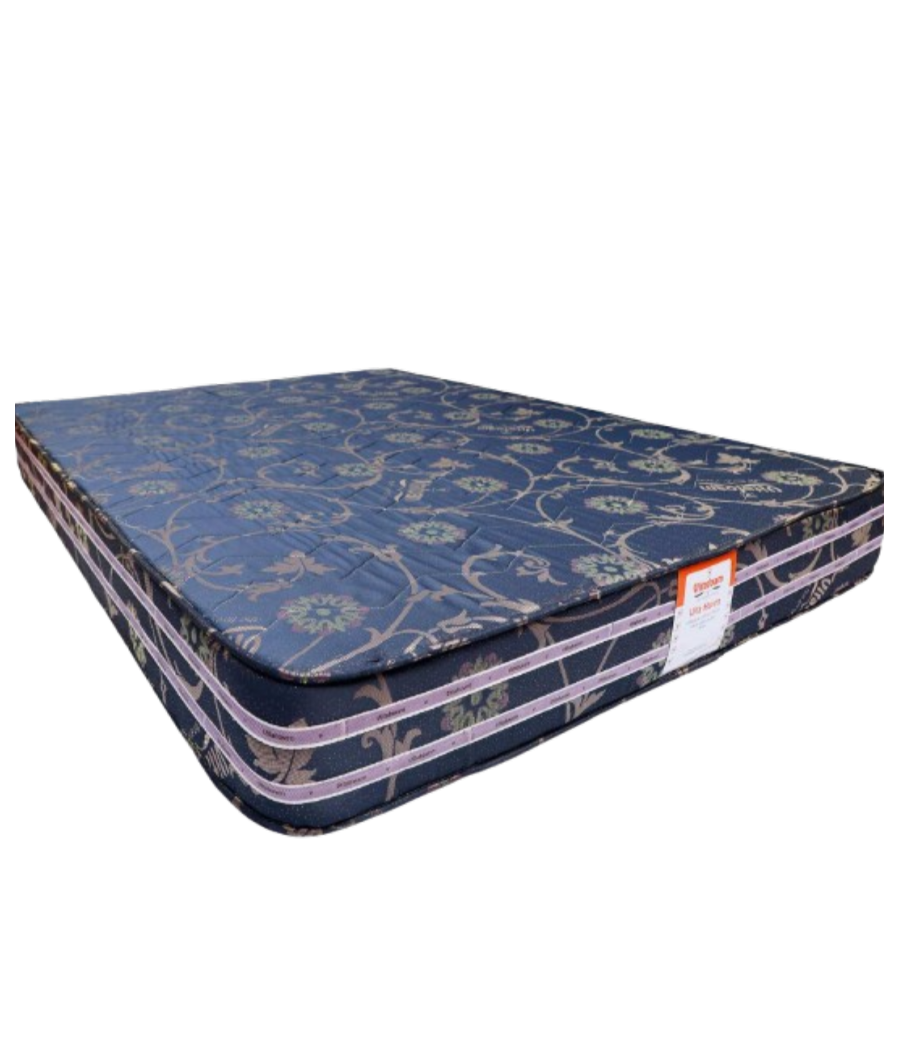
Vita Haven Mattress
Kehinde Olatunji, Oyo – Ibadan North
₦108,561.8111:29
-
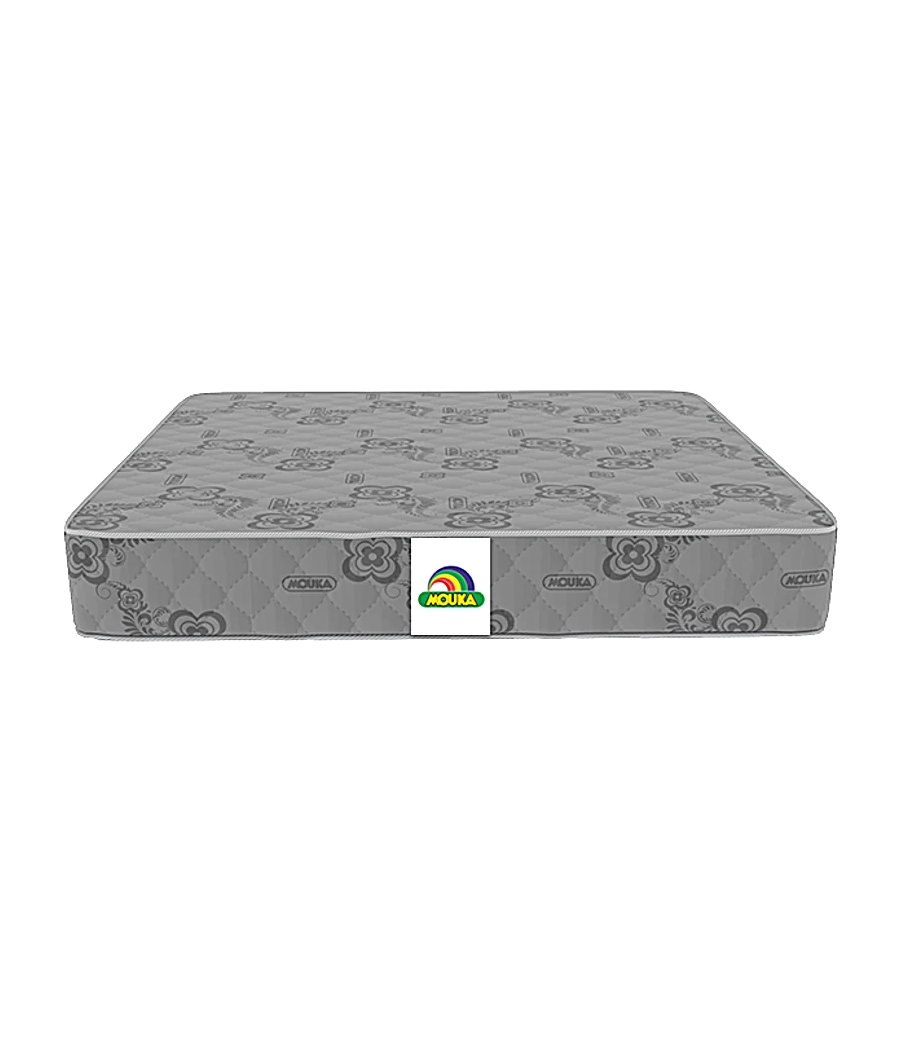
Mouka Flora Premier Ma...
Adebayo Femi, Osun – Osogbo
₦90,144.8308:09
-

Mouka Dreamtime Baby &...
Esther Johnson, Lagos – Surulere
₦36,989.1015:43
-
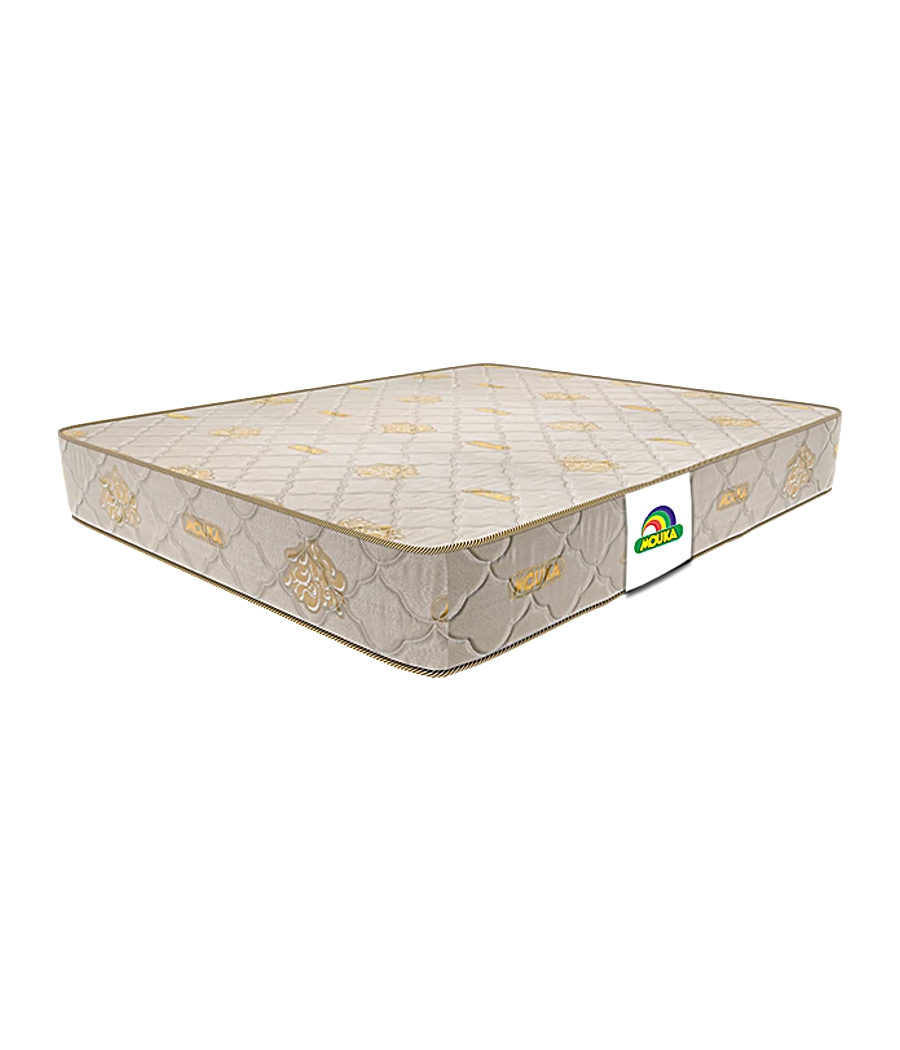
Mouka Wellbeing Regina...
Samuel Adekunle, Ogun – Ijebu Ode
₦151,415.8418:02